
About this route
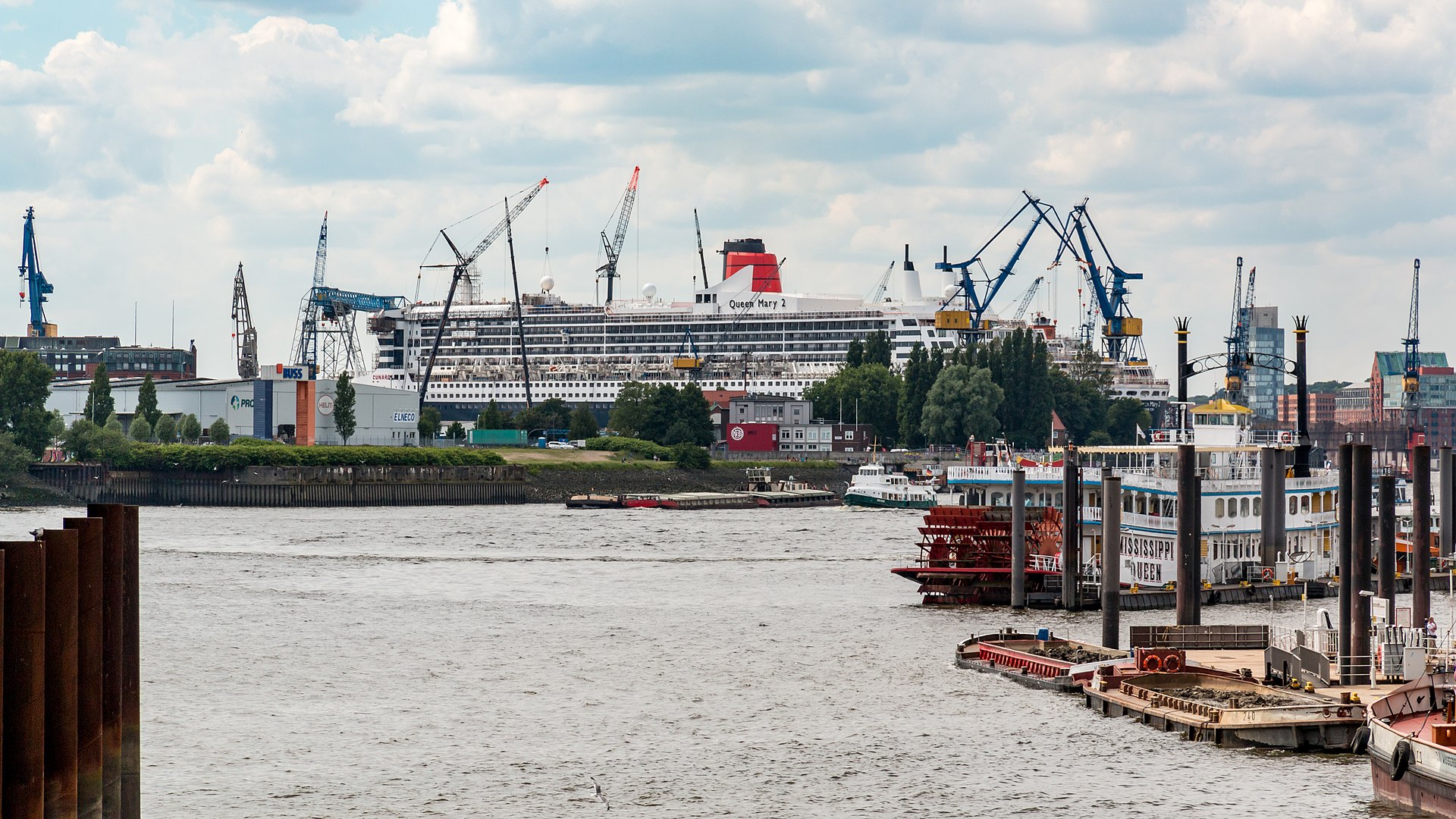
Cunard's Queen Mary 2 is the only major cruise ship in the world that accepts dogs on scheduled transatlantic crossings. Operating between New York and Southampton over 7-8 nights, QM2 has 24 climate-controlled kennels on Deck 12, supervised by a dedicated Kennel Master. Dogs travel in dedicated kennel spaces, not in passenger cabins. Cunard has welcomed animals for nearly two centuries, and the Pets on Deck programme includes deck visits, fitted QM2-logo coats, professional portrait sessions, fresh-baked biscuits at turn-down, and a personalised crossing certificate.
Dog travel details
Pet fee$1,300 per upper kennel / $1,500 per lower kennel from Jan 2026
Dog notesDogs stay in the kennel area and are visited during set visiting hours. Larger dogs may need lower kennels or combined kennel space, and very large breeds may not fit the kennel dimensions. Bring your dog's normal food, lead, comfort items and any medication. There is no onboard veterinary clinic, so this is best for stable, healthy dogs who can settle in a staffed kennel environment.
BookingKennel reservations open far ahead and sell out rapidly, often on opening day. Book the passenger crossing first, then call Cunard or email the kennels team. For a transatlantic dog move, plan 12-18 months ahead if your dates are fixed.
Pro tipThis is the only practical scheduled sea option for relocating a dog across the Atlantic without an aircraft. It is especially valuable for snub-nosed dogs, giant breeds priced out of cargo, or owners who cannot accept cargo risk.
RestrictionsKennels only, never cabins or public spaces. Maximum kennel dimensions are roughly upper 27in H x 35.5in D x 30in W and lower 36in H x 35.5in D x 30in W. Certain breeds and very large dogs may be refused. No onboard vet and no way to disembark mid-crossing for routine care.