Collection Point
CFIA conducts pet inspections at the customs/secondary inspection area in the passenger terminal for accompanied pets. Cargo pets are processed at the airline's cargo facility.

Home / Airports / YYZ
CFIA Animal Import Inspection in Toronto, Canada: where dogs go after landing, what to bring, and how collection usually works.

Canada's busiest airport for pet imports. The Canadian Food Inspection Agency (CFIA) inspects all animals at the point of entry. Canada requires proof of rabies vaccination (at least 28 days old for dogs), health certificate, and potentially a CFIA import permit depending on origin. Since June 2024, Canada has restricted dog imports from high-risk rabies countries. Dogs generally need rabies vaccination proof and a health certificate.
CFIA conducts pet inspections at the customs/secondary inspection area in the passenger terminal for accompanied pets. Cargo pets are processed at the airline's cargo facility.
CFIA: available during all international arrivals
For accompanied pets, have vaccination records and health certificate ready for inspection at customs. Processing is typically quick if documents are in order. Canada does not quarantine pets from most countries with current vaccinations. Cargo pets should be booked through a licensed customs broker familiar with CFIA procedures.
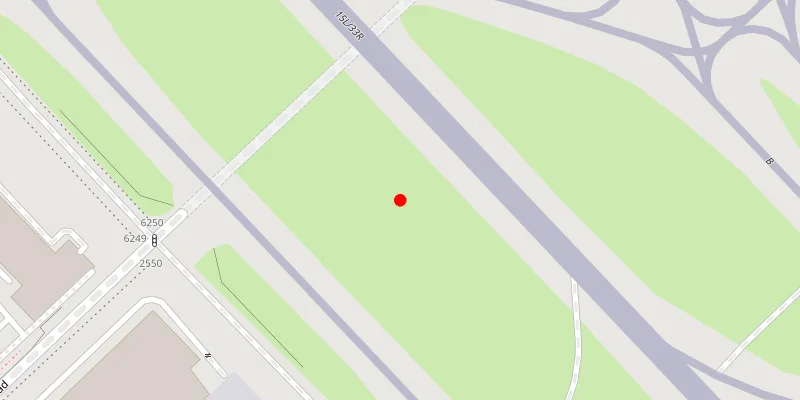
The critical address is usually the cargo, animal reception, quarantine or border-inspection facility. Use this as a starting map search, then confirm the exact entrance with the airline, facility or receiving agent before travelling.
Send document scans early where the facility offers pre-checks, and confirm whether the airline treats your dog as cabin, checked baggage, AVIH or manifest cargo.
Wait for clearance updates. Cargo and animal reception facilities are often outside passenger terminals and may need a taxi, car or agent appointment.
Bring photo ID, original veterinary documents, microchip details, airway bill numbers, agent contacts and a charged phone.